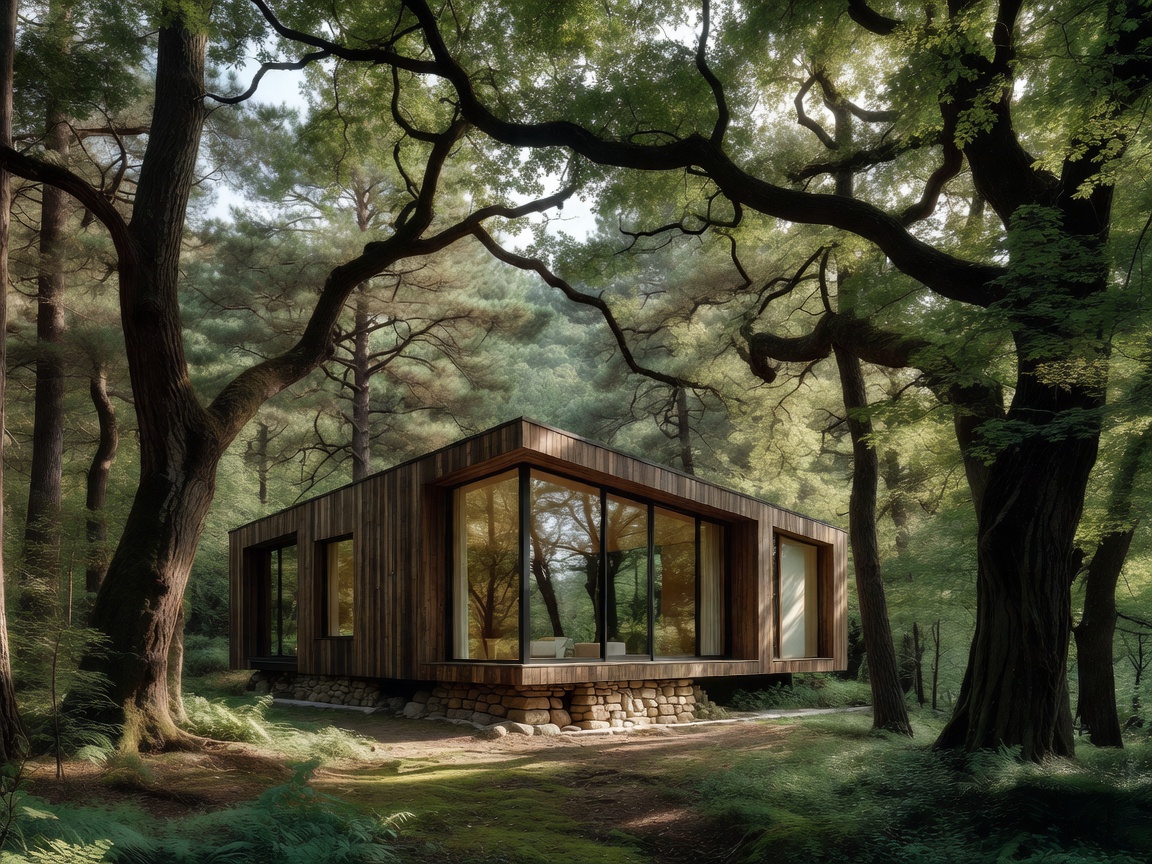
01 / Sky-facing architecture
Glass-Roof Cabins
Explore transparent and partially glazed roofs, sky-facing sleeping spaces, stargazing, and the decisions around privacy, temperature and light.
Explore glass-roof cabinsArchitecture / Nature / Retreats
Discover glass-roof cabins, secluded woodland architecture and remote northern landscapes. Our independent guides explore the details behind the view—from privacy and seasonal light to winter access and everyday comfort.
An editorial guide to places and design—not a booking service or accommodation operator.
Find your point of view
Start with the kind of landscape and experience you have in mind. Each guide considers both the appeal and the practical trade-offs.
01 / Sky-facing architecture
Explore transparent and partially glazed roofs, sky-facing sleeping spaces, stargazing, and the decisions around privacy, temperature and light.
Explore glass-roof cabins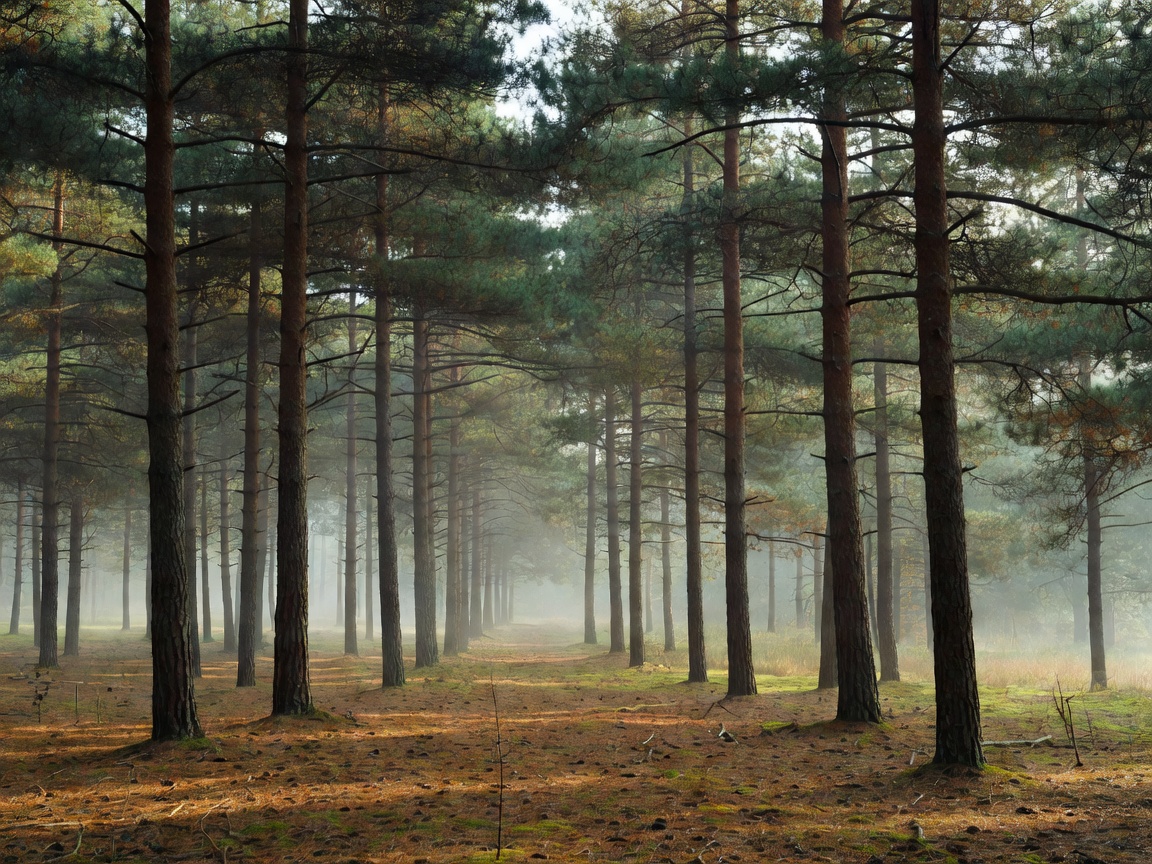
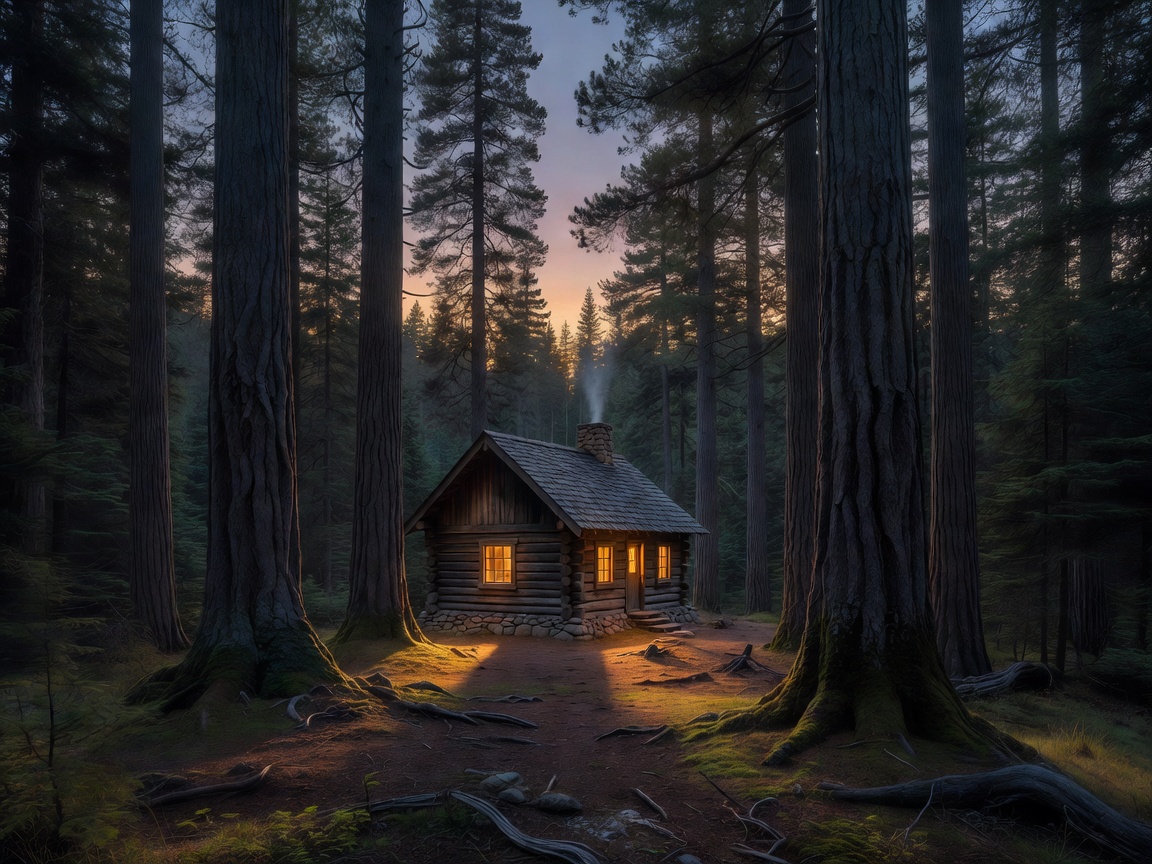
02 / Woodland settings
Understand how windows, tree cover, terrain and neighboring sightlines shape a stay among the trees.
Explore forest lodges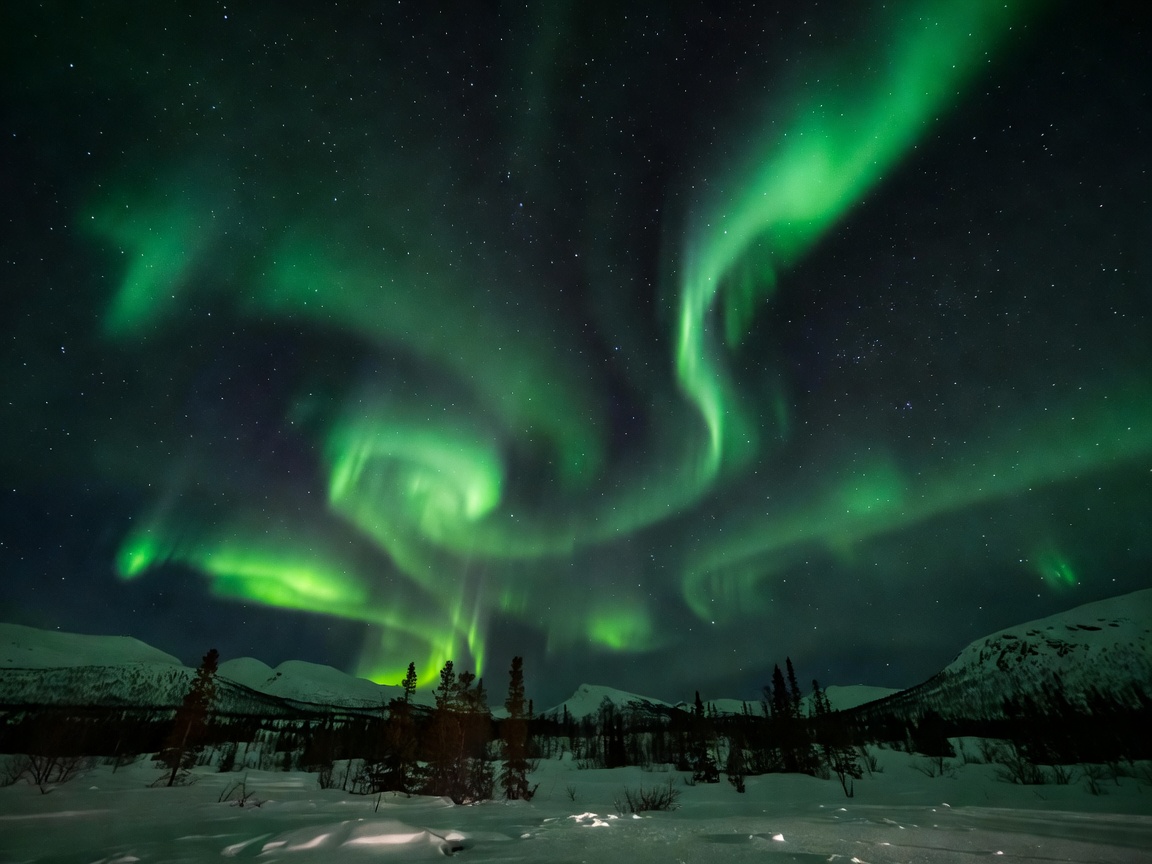
03 / Dark-sky travel
Plan around darkness, cloud cover, winter access and seasonal daylight—while remembering that auroras cannot be promised.
Explore northern stays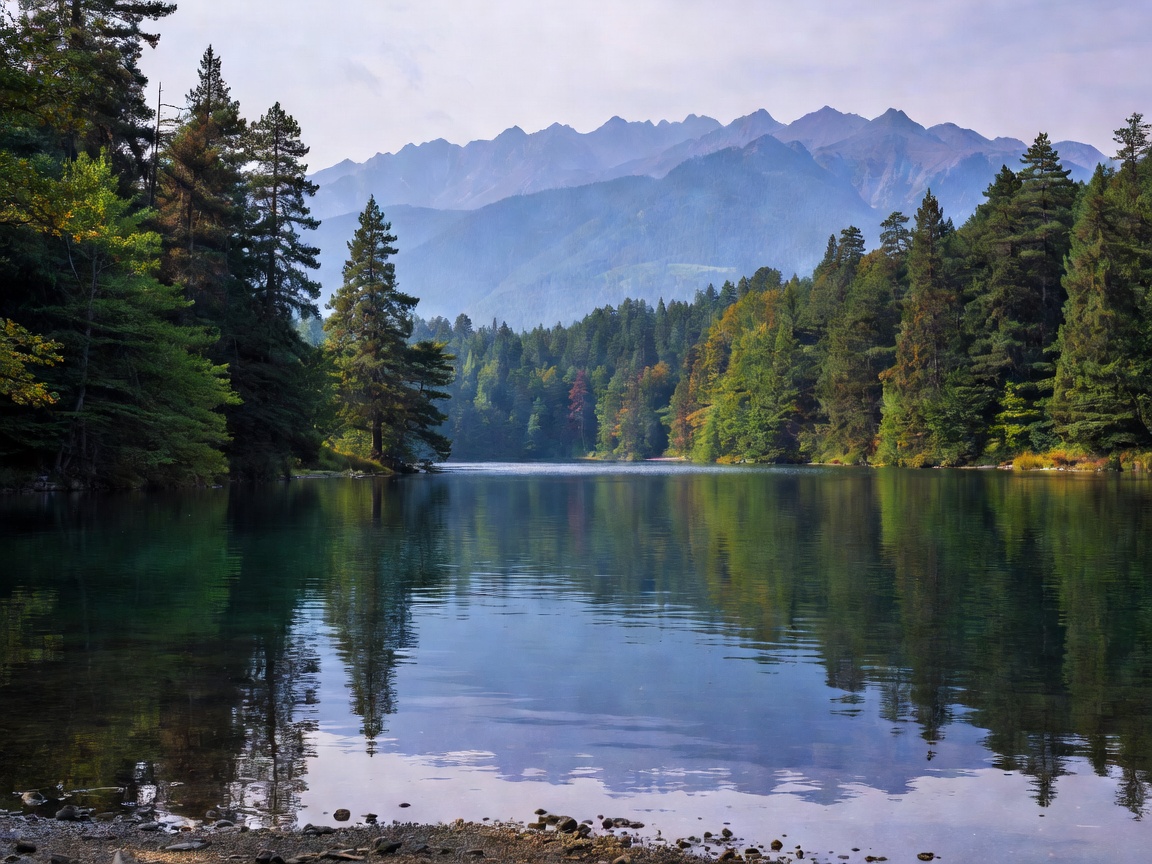
04 / Quiet and distance
Consider last-mile journeys, supplies, connectivity, weather planning and the difference between peaceful seclusion and isolation.
Explore remote retreats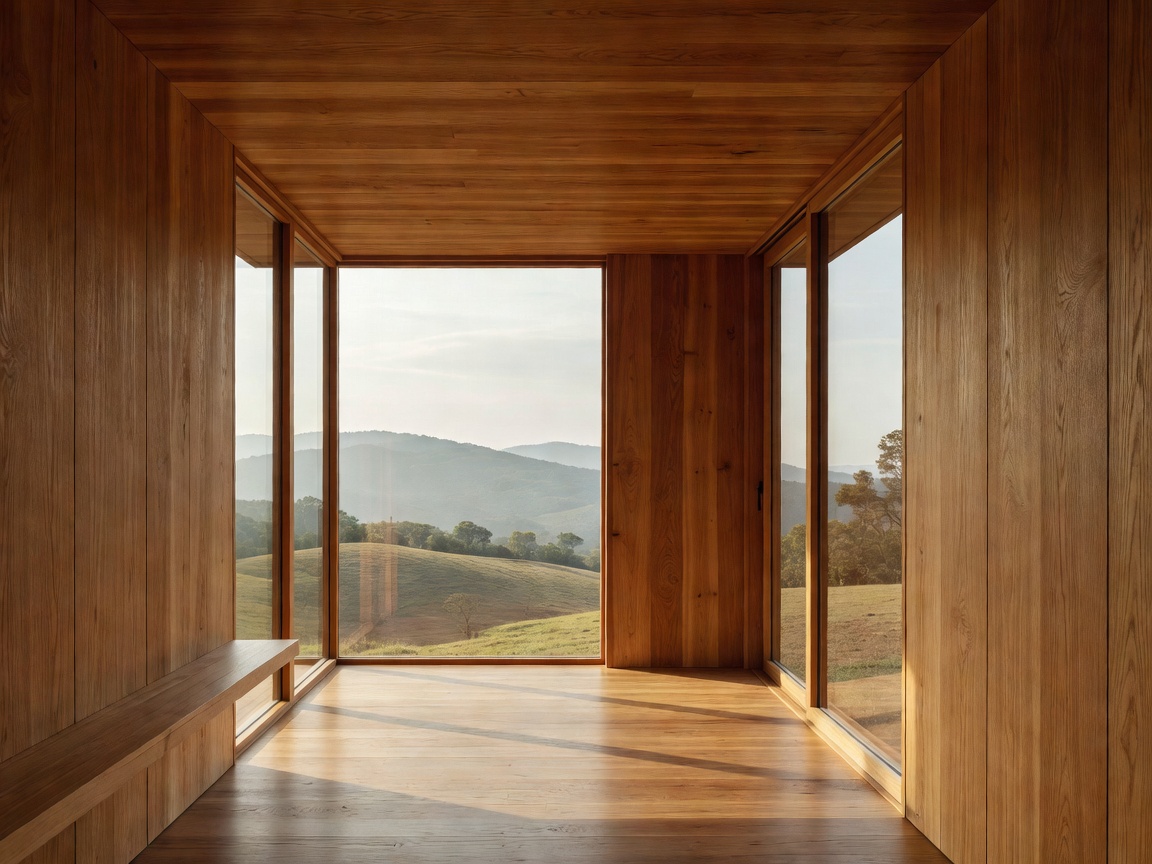
05 / Details that matter
Learn how glazing, ventilation, shade, privacy and material choices affect comfort through changing seasons.
Explore cabin designArchitecture meets nature
A cabin’s relationship with its setting starts long before the view from bed. Roof orientation determines which part of the sky enters the room. Trees filter low sun and frame sightlines; terrain can shelter a building or expose it to wind. Timber, stone and metal give the glazing a grounded edge, while carefully placed openings can make a compact interior feel connected to a much larger world.
That openness is a design choice, not a guarantee of comfort. Good questions include how the glass is specified, where shade comes from, how ventilation works and whether neighboring paths can see inside after dark. Details vary by building and climate, so property information should always be confirmed with its operator.
Read about design and comfort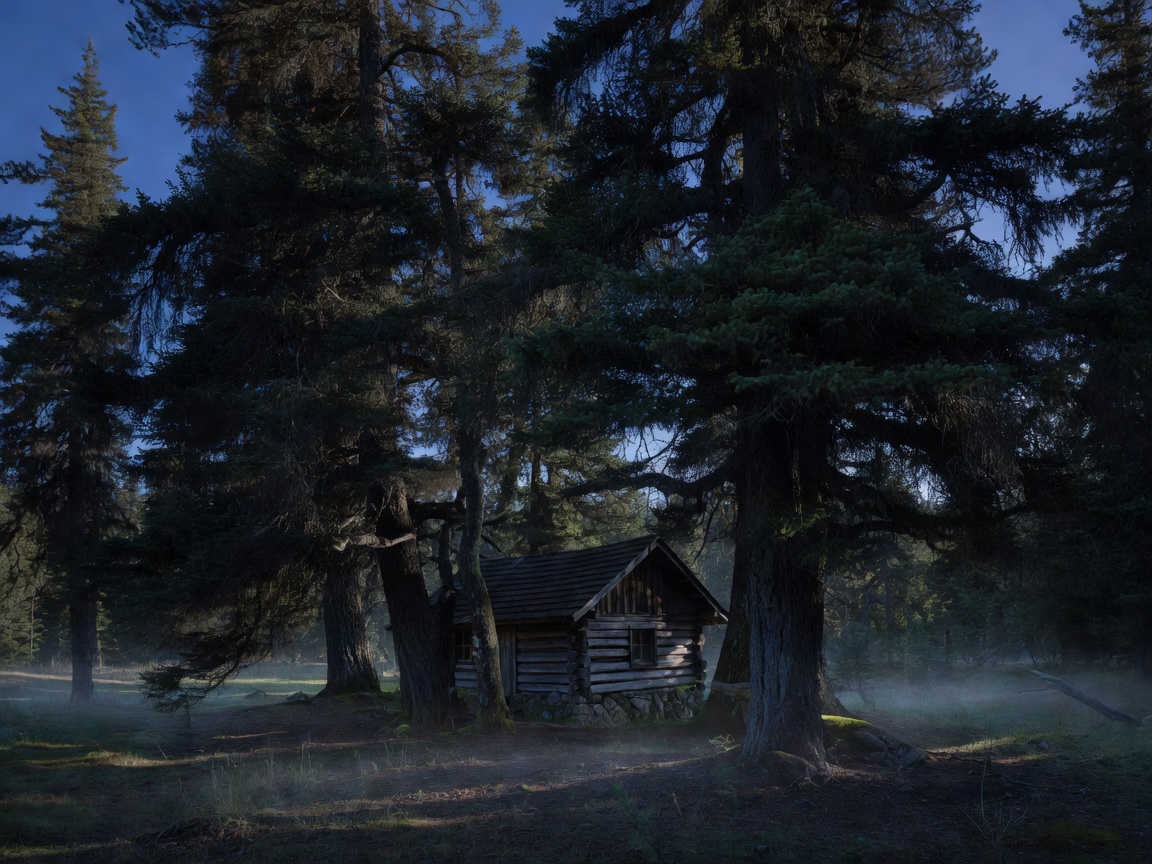
The details behind the view
Use these prompts to compare settings and ask more informed questions before making travel plans.
Check neighboring buildings, paths, terraces and nighttime lighting—not just the view in a listing photograph.
Ask how the space is heated and ventilated, especially where large glazed areas meet cold or sunny conditions.
At northern latitudes, day length changes substantially. Consider the season as carefully as the destination.
Confirm road conditions, transfers, walking distances and what happens when weather changes the plan.
Look for clear, specific information about local rules and operations; avoid assuming a remote setting is automatically low-impact.
A question about a guide?
We welcome editorial questions and feedback. For current property specifications, contact the accommodation provider directly.