A natural display, not a scheduled attraction
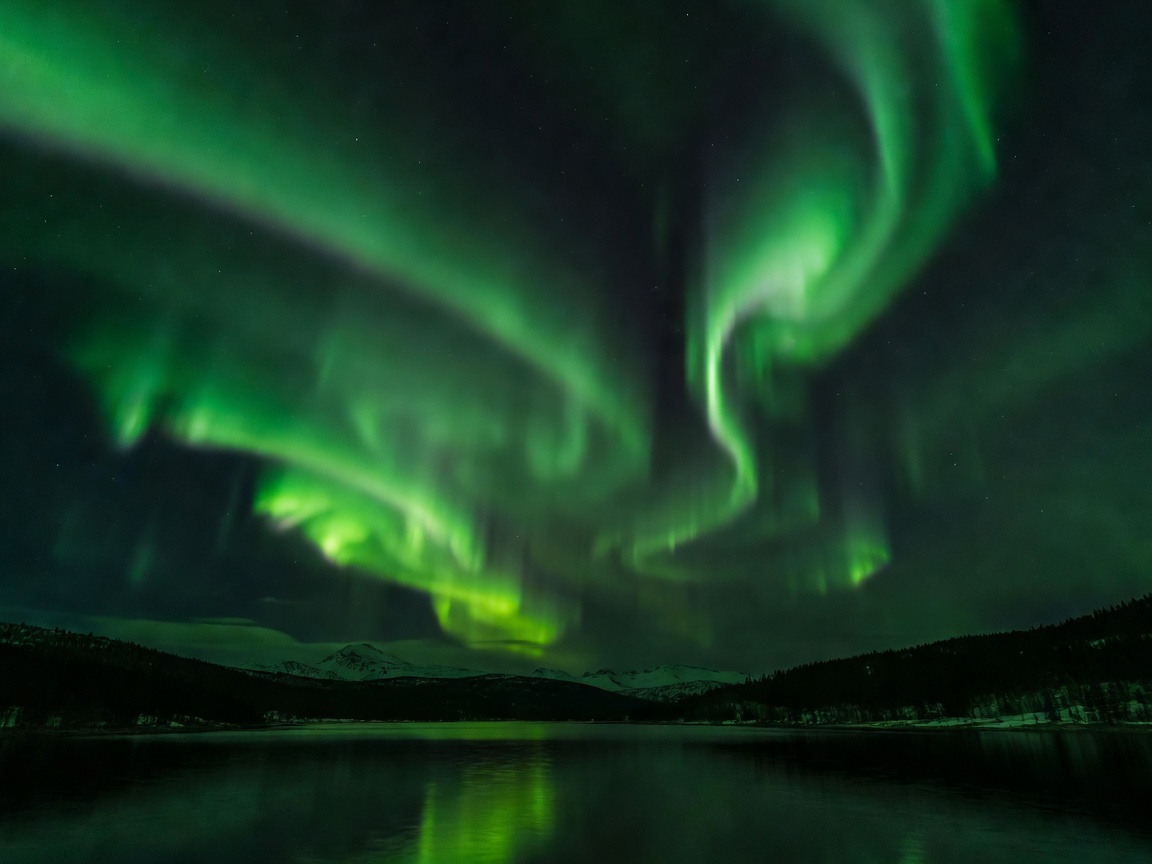
Auroras occur when charged particles from the Sun interact with gases in Earth’s upper atmosphere, producing light. The familiar green glow is one possible color; displays vary in shape, movement and intensity. The location of the auroral oval makes some high-latitude regions useful starting points, but a trip cannot guarantee a sighting. Conditions change, and a strong display can be hidden by cloud or daylight.
Northern Norway, Finnish Lapland, Swedish Lapland and Iceland are real geographic regions associated with northern travel. Each includes different landscapes, transport networks and weather patterns. Choose a base for its wider appeal and practical fit, not solely for a promise that the sky will perform.
Darkness, cloud and sky visibility
Darkness is essential for seeing an aurora clearly. Winter offers long nights at high latitudes, although seasonal daylight varies significantly. Summer may bring very short nights or extended twilight, reducing the hours when the sky is dark enough. The precise experience changes with latitude and date, so consult current local daylight information when choosing a travel window.
Cloud cover can block the sky even when auroral activity is occurring. A location with open sightlines and limited surrounding light can help, but it cannot remove clouds. Urban lighting, bright building exteriors and headlights also affect the view. A cabin’s large windows may make waiting comfortable, while a dark outdoor space can offer a wider view; neither changes the weather.
Window orientation and the cabin’s position matter. A roof window may frame overhead sky but not the horizon. A forest edge, ridge or neighboring structure could limit the direction visible from bed. Ask what can actually be seen from the room and whether stepping outside is possible and safe.
Winter comfort and getting there
Cold-weather travel asks more of both the building and the traveler. Ask the operator how heating works, what indoor clothing is comfortable and whether there is a sheltered place to dry outer layers. A glass-heavy room can feel different near windows than at its center; the specific glazing and heating arrangement determine comfort. Do not infer winter readiness from a photograph or a northern location.
Roads, transfers and footpaths can be affected by snow, ice and limited daylight. Confirm how to reach the property, whether the final approach requires walking, and what equipment or local guidance is expected. Check the provider’s current arrival instructions close to travel and allow flexibility for changing conditions. Avoid driving unfamiliar winter routes without suitable preparation.
Make room for a cloudy night
A resilient itinerary includes more than aurora watching. Daytime walks, local cultural experiences, landscape photography, rest and indoor time give the trip value when the sky stays overcast. In regions such as northern Norway, coastal scenery and changing weather can be part of the experience; in Lapland, distances and activity options vary by location. Research the particular area rather than assuming every destination offers the same services.
Build in several evenings if seeing the lights is a priority, but do not turn each night into a test of success. Local forecasts can help with planning, yet short-term conditions remain uncertain. We do not publish current forecasts, event dates or probability percentages. Consult suitable local sources close to your stay.
Choosing a stay thoughtfully
Compare access, orientation, surrounding light, heating arrangements, room privacy and what else is nearby. A cabin with large glazing may offer comfort while waiting, but window clarity, reflections and interior lights can affect visibility. Ask whether lights can be dimmed and whether curtains are available. If the accommodation has a shared setting, check outdoor lighting and sightlines to other units.
A more remote position may reduce nearby light, but can add logistical complexity. A town base may provide easier transport and services yet more ambient lighting. There is no universal best choice; balance darkness against access, comfort and the other reasons you want to visit.
Good for
Travelers who appreciate winter landscapes, dark skies and an open-ended evening, and who can enjoy a trip even if auroras remain hidden.
What to know
Northern lights are a natural phenomenon and cannot be guaranteed. Cloud, daylight, solar activity, location and window direction all influence visibility. Confirm winter access, heating and current local conditions directly.
Before you travel
- Check seasonal daylight for the exact dates and latitude.
- Ask about room orientation, outdoor sightlines and exterior lighting.
- Confirm winter transport, arrival steps and weather guidance.
- Pack layered clothing and include non-aurora plans.
- Follow local advice and avoid unsafe nighttime travel.
Explore related guides
Consider glass-roof cabins, read about remote retreat logistics, or compare cabin design and comfort.