Transparency has a structure
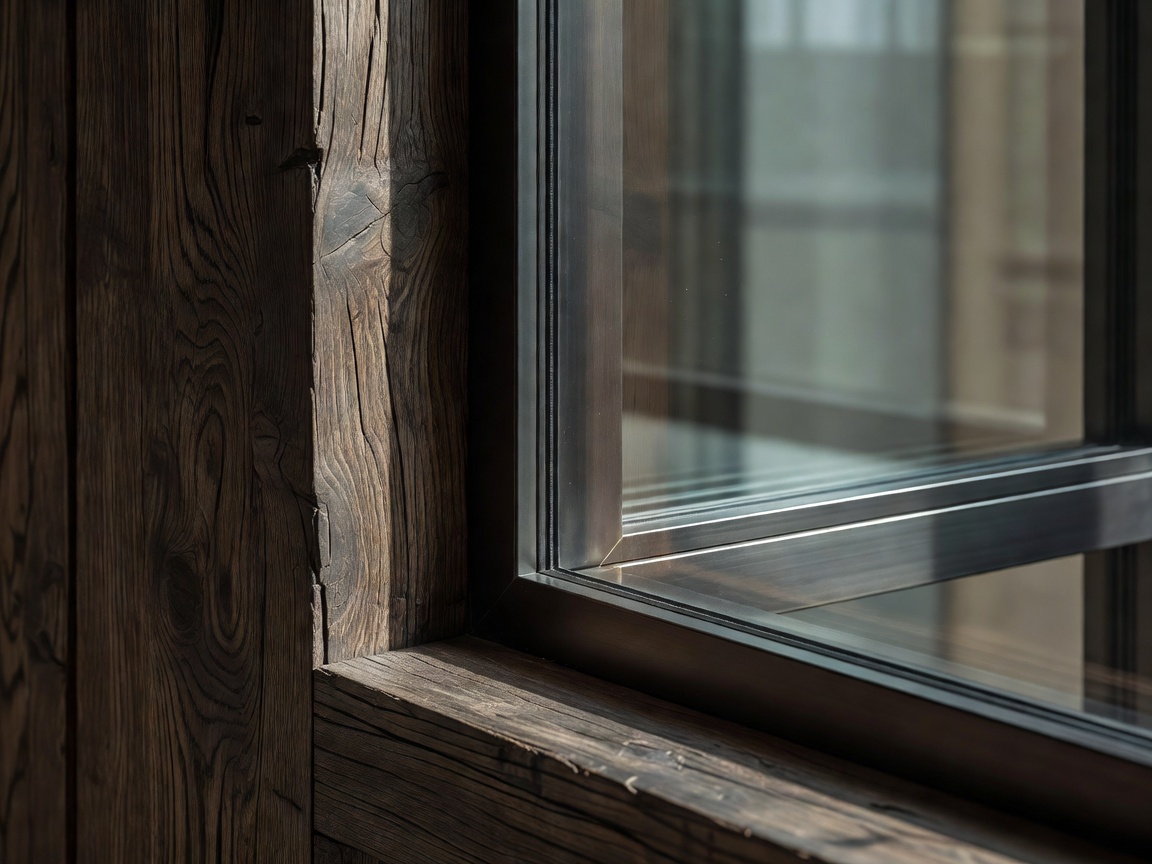
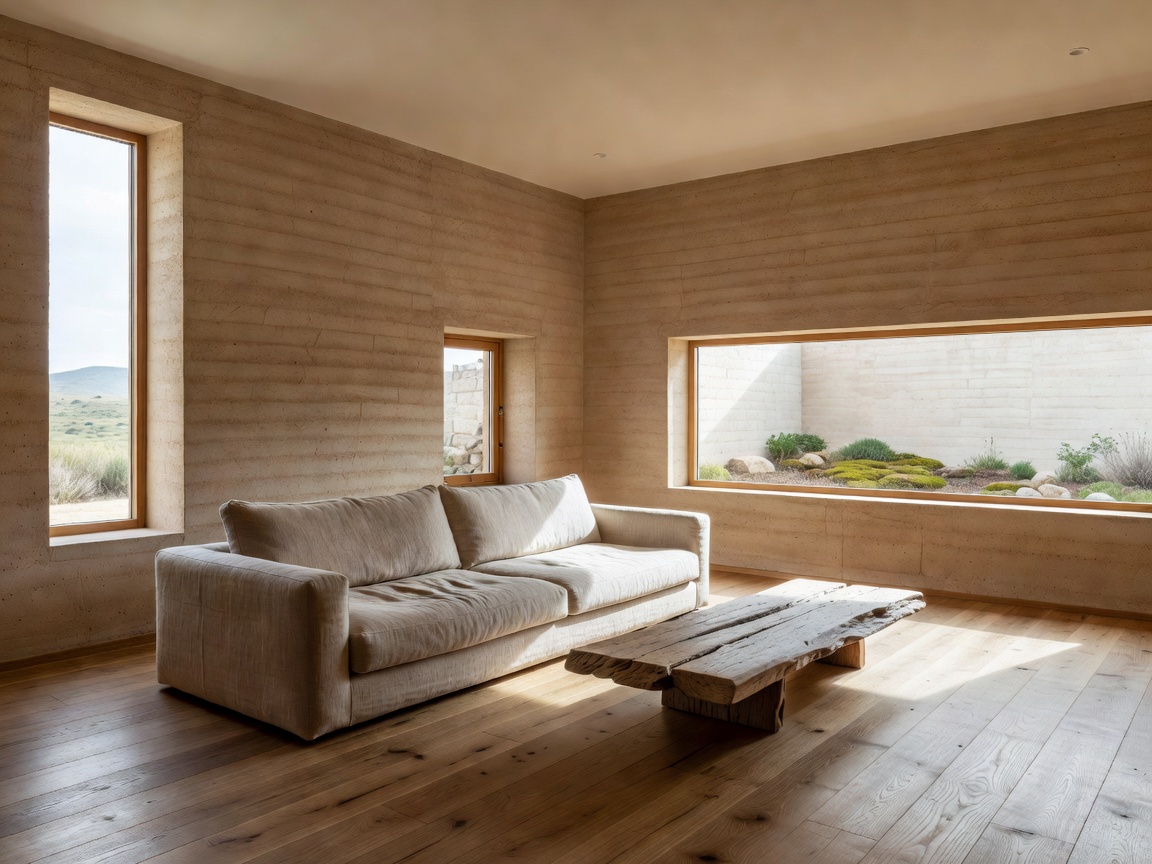
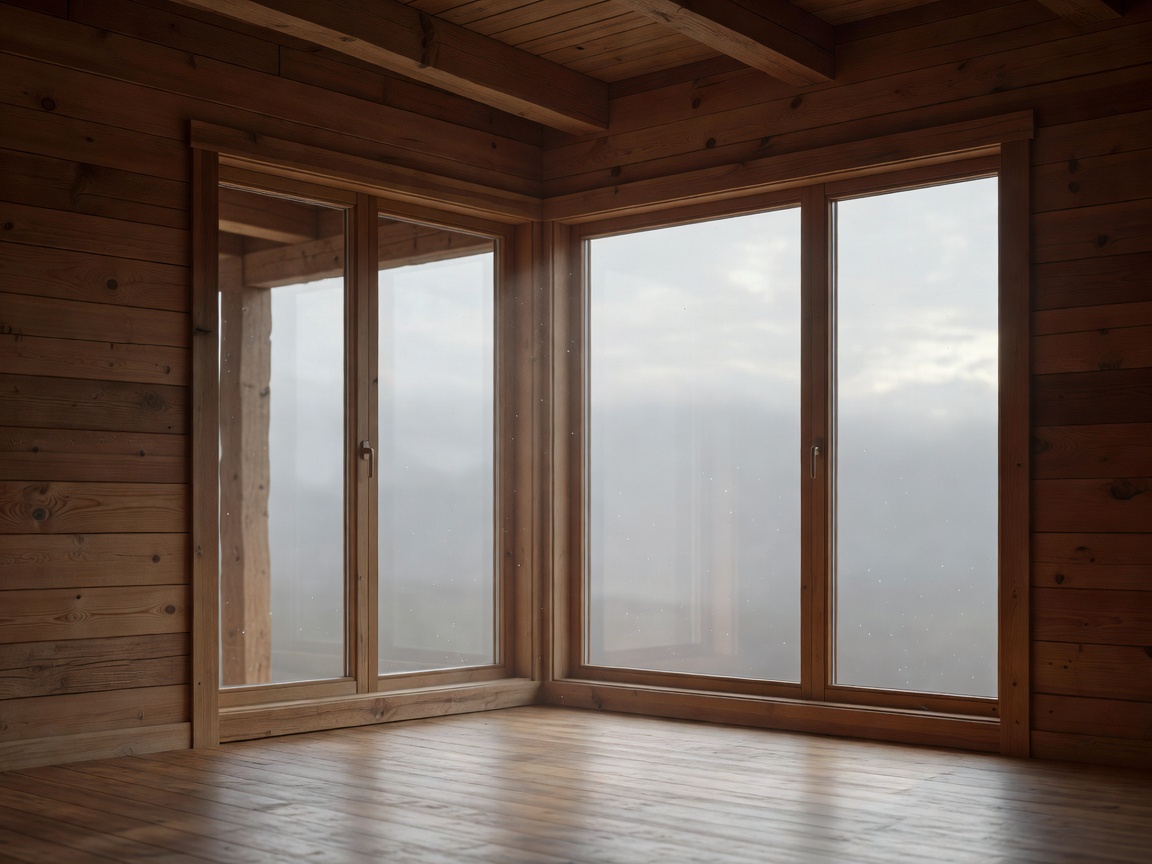
A glass-heavy cabin is not simply a room with large windows. The frame, supports, seals, roof junctions and surrounding wall all contribute to how it feels. Good design balances open views with places for storage, services and solid surfaces. The proportions and positions of the openings matter: a carefully framed window may feel more restful than glazing on every side.
Some designs use large panes; others divide glazing into smaller units. The choice affects visual rhythm, maintenance and how openings are operated. Roof glazing adds another layer of complexity because it must meet weather exposure while connecting to the rest of the roof. The specific construction cannot be judged from a photograph alone.
Insulated glazing and thermal comfort
Insulated glazing generally uses more than one pane with a sealed space between them to slow heat transfer. In simple terms, it is designed to reduce how quickly warmth moves through the glass compared with a single pane. That does not tell you the performance of the whole cabin. Frames, seals, roof construction, installation quality, air leakage, heating and local climate all influence the result.
Thermal comfort is how warm or cool a space feels, not just the number on a thermostat. A person sitting near a cold window may feel a chill even when the room is heated. Sunlight through a large opening can warm a room, and the same solar gain may feel unwelcome at another time of day. Ask about heating controls, shading and whether a room is intended for the season you plan to visit. Avoid assuming every glass cabin is equally suited to every climate.
Condensation, ventilation and moisture
Condensation forms when moist air touches a surface cool enough for water vapor to turn into droplets. Cooking, showers and breathing add moisture indoors. Ventilation replaces or circulates air and helps manage indoor humidity, although its design differs between buildings. Openable windows, mechanical systems or a combination may be used. Ask how the system works and whether guests should adjust it during colder weather.
Visible moisture can depend on outside temperature, indoor humidity, surface temperature and airflow. A well-run room still needs sensible operation; for example, keeping ventilation routes clear matters. The operator should provide practical guidance rather than suggesting that glass itself prevents condensation.
Solar gain, shade and daylight
Solar gain is the warmth that sunlight brings through a window. Orientation determines when direct sun enters, while roof overhangs, blinds, trees and exterior screens can provide shade. In a forest setting, canopy cover changes with season and may block low winter light differently from summer sun. A well-considered design can use the view while limiting glare, but the outcome depends on location and building details.
Daylight also affects sleep and daily rhythm. Skylights brighten a room during the day and reveal sky after dark, but they may be difficult to cover. Ask whether shades are fitted, how much of the room remains private and whether interior lights can be dimmed. At night, an illuminated room can be visible from outside. Curtains or adjustable lighting may help balance a view with privacy.
Acoustics, maintenance and seasonal use
Rain on a roof window can be louder than rain on a heavily insulated roof. Wind, nearby roads and neighboring spaces also influence acoustic comfort. If quiet sleep is important, ask about the room’s setting and glazing, but remember that no simple label describes the sound environment.
Glass needs cleaning. Roof panels can gather pollen, dust, leaves and water marks, and access may be more complicated than for ordinary windows. Weather exposure, drainage details and routine inspection matter. Ask how the property handles maintenance and whether a view can be affected by seasonal conditions.
Seasonal usability depends on the building and its systems. A design that is comfortable in a mild season may need different shading or heating for a colder or sunnier period. No certification, energy saving or thermal figure should be assumed unless the operator supplies verifiable information for that specific building.
Trade-offs and questions to ask
More transparency can mean a stronger landscape connection, generous daylight and memorable views. It can also reduce privacy, increase exposure to direct sun, create more surfaces to clean and make performance details more important. Partial glazing and well-placed openings may offer a thoughtful middle ground.
- What portion of the roof and walls is glazed?
- How are heating, shading and ventilation controlled?
- Can the sleeping area be darkened and kept private?
- What seasonal conditions should guests expect?
- How does the operator describe cleaning and routine upkeep?
- What specific construction information is available for the cabin?
Good for
Design-minded travelers who notice materials and details, and who value a strong connection to outdoors while remaining curious about how a building achieves comfort.
What to know
Actual performance depends on construction, materials, climate, orientation, installation and maintenance. General descriptions are not a substitute for a property’s technical information. Confirm specifics directly with the accommodation provider.
Explore related guides
Start with glass-roof cabin designs, compare forest-facing retreats, or read about remote-stay essentials.