What makes a lodge forest-facing?
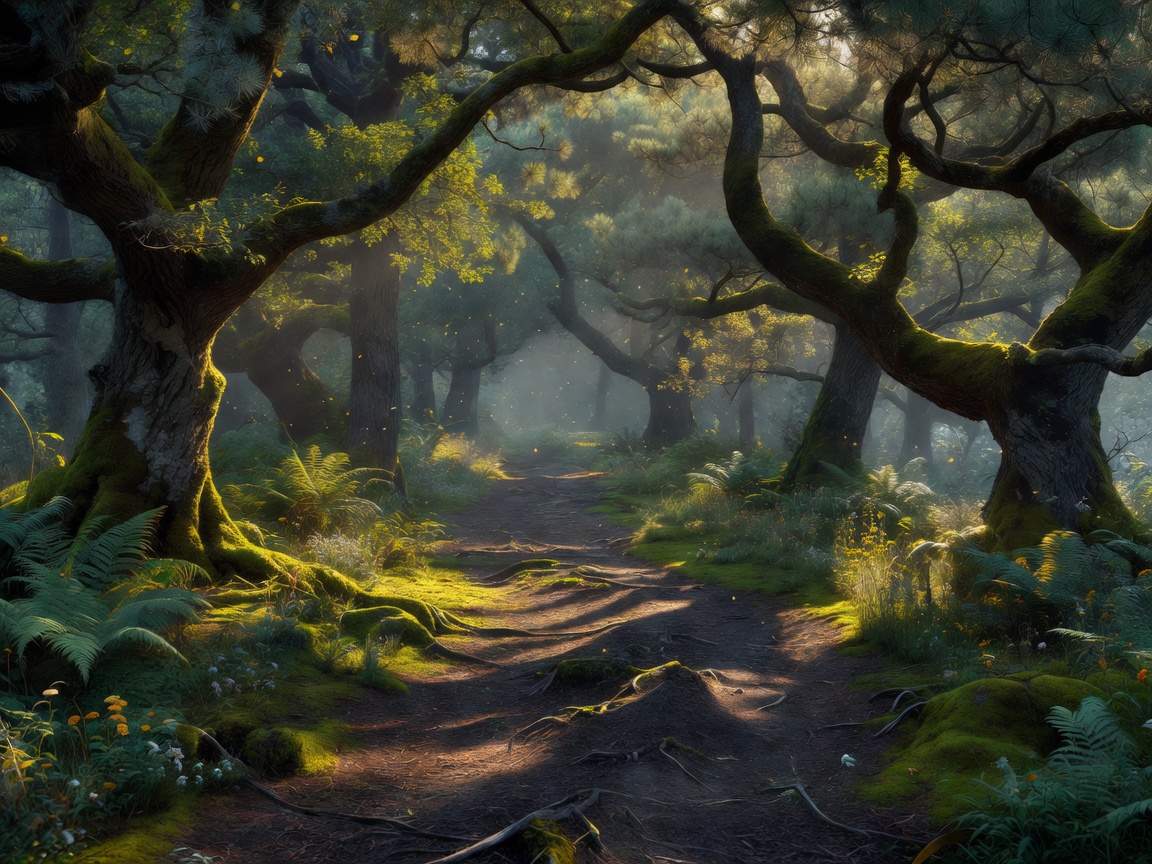
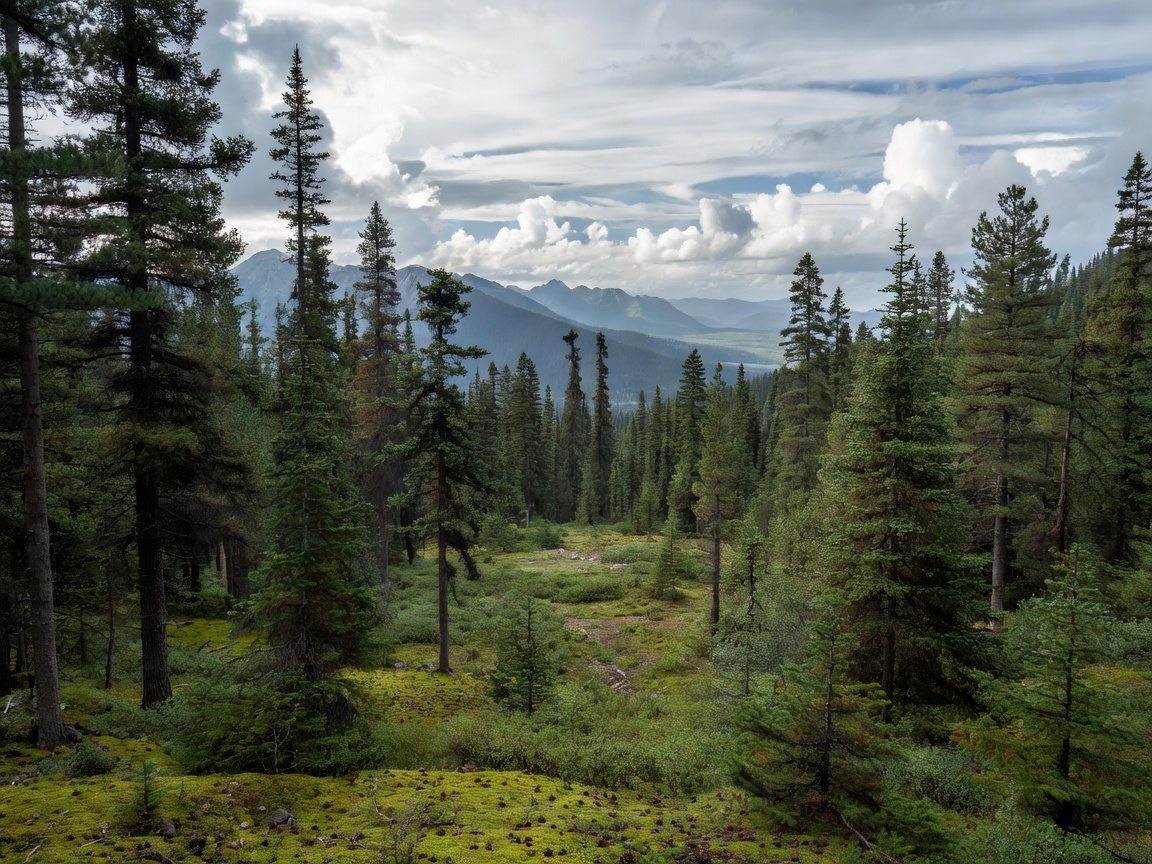
A woodland lodge can be a freestanding cabin beneath a dense canopy, one unit in a managed cluster, or a building at the edge of a larger forest. Large windows may frame a stand of trees rather than an open panorama. That narrower view can feel immersive and calm, but “forest view” does not describe a standard distance from neighbors, roads or shared spaces. The land around each building matters as much as the building itself.
Floor-to-ceiling glazing can bring the vertical scale of a forest into a room. It also makes the building’s orientation important. A cabin facing a clearing may receive more daylight and longer views; one set deeper among trees may have a more enclosed atmosphere and greater shade.
Privacy, orientation and changing light
Privacy in woodland is shaped by terrain, vegetation, season and sightlines between properties. Deciduous trees can provide a screen in summer and reveal more of the landscape in winter. Sloping ground may make a neighboring cabin visible from a window even when it is not apparent at eye level outside. Paths, parking areas and decks can also create lines of view.
Ask which rooms face other buildings or public routes, whether window coverings are provided and how far apart neighboring units sit. We cannot assume dense planting guarantees privacy: trees may be young, seasonal or managed for safety. A useful description explains the setting without promising complete seclusion.
Orientation changes the light. East-facing openings can catch morning sun; west-facing glass may hold late light, depending on terrain and canopy. Deep shade can make a forest room feel cool or dim, particularly in winter. Conversely, a clearing may admit more direct sun. The precise effect depends on latitude, surrounding tree height and season.
Rain, wildlife and the outdoor threshold
Rain transforms a woodland view: drops gather on leaves, paths darken and the sound of water becomes part of the room. Large windows can make such weather rewarding to watch from indoors, while also emphasizing the need for good drainage and comfortable ventilation. A roofed porch or terrace creates a useful transition between warm interior and damp forest air. Check whether an outdoor space is private, covered or accessible in the season you plan to visit rather than assuming from a photograph.
Quiet observation can reveal birds, insects or other local wildlife, but sightings are never guaranteed. Keep a respectful distance, avoid feeding animals and follow local guidance about waste, pets and nighttime lighting. Low-impact behavior matters even when a lodge appears far from other visitors.
Isolation or a managed lodge setting?
An isolated cabin can offer space and fewer nearby buildings, but it may require more planning for transport, supplies and emergency access. A managed lodge setting may offer clearer arrival arrangements or nearby services, while shared facilities, access roads and neighboring units reduce solitude. Neither format is inherently better. Match the setting to your comfort with self-sufficiency and the kind of quiet you want.
Look into the last stretch of the journey: road surface, parking, steps, uneven ground and any walk carrying luggage. Forest terrain can be muddy, steep or slippery, particularly during thaw or heavy rain. Proximity to food, fuel and healthcare varies widely, so clarify distances rather than relying on broad labels such as “remote.”
Benefits and limitations
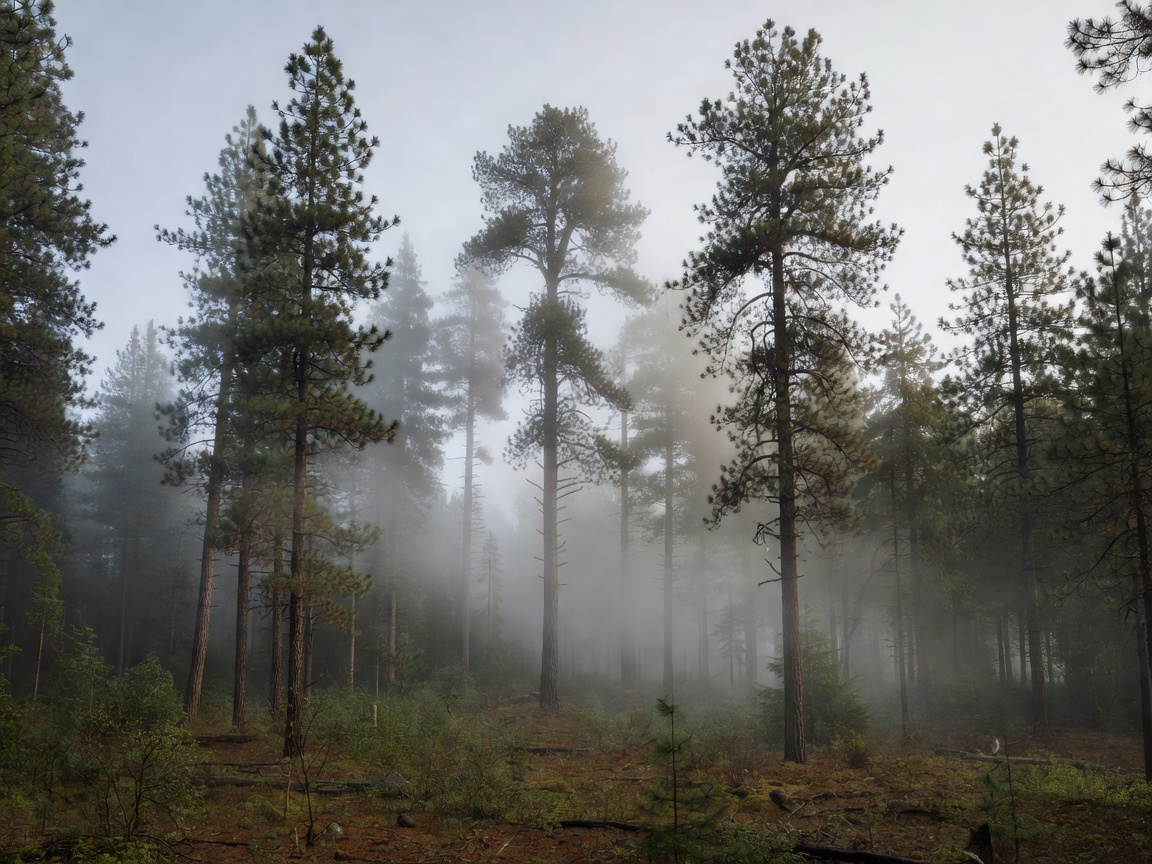
Woodland lodges make it easy to notice small changes: a shift in mist, wind moving the canopy or the color of a forest floor after rain. Glazing can extend the feeling of outdoors without requiring constant exposure to weather. The setting may suit travelers who value quiet observation more than sweeping mountain views.
Limitations include shade, insects, damp paths, seasonal variation and uncertain privacy. Trees can obscure distant views and affect mobile reception. A panoramic window does not mean a room is secluded or that wildlife will appear. Ask for recent, accurate information about access, surroundings and the room’s orientation.
Before-you-go checklist
- Confirm whether the accommodation is isolated or part of a managed group.
- Ask what is visible from windows, deck and arrival route.
- Check the walking surface, parking and local services.
- Bring suitable footwear and clothing for changing weather.
- Follow local wildlife, fire and waste guidance.
Good for
People who enjoy forest atmosphere, filtered light and a slower view that changes with weather. It also suits travelers who prefer a defined lodge setting to open, exposed landscapes.
What to know
Tree cover, terrain and neighboring properties determine the real experience. Confirm the accommodation’s location, sightlines and seasonal access directly; a category label cannot establish those details.
Explore related guides
See our guide to remote nature retreats, compare glass-roof cabins, or explore design and comfort.