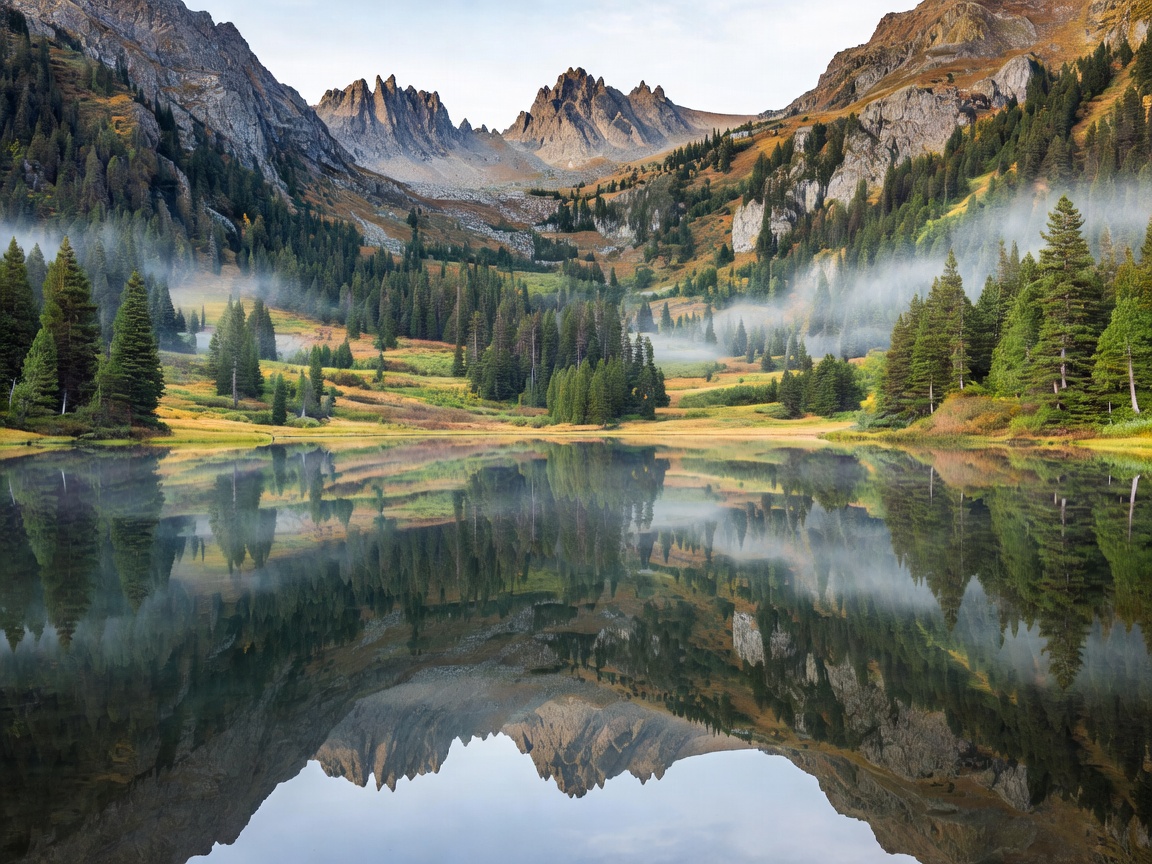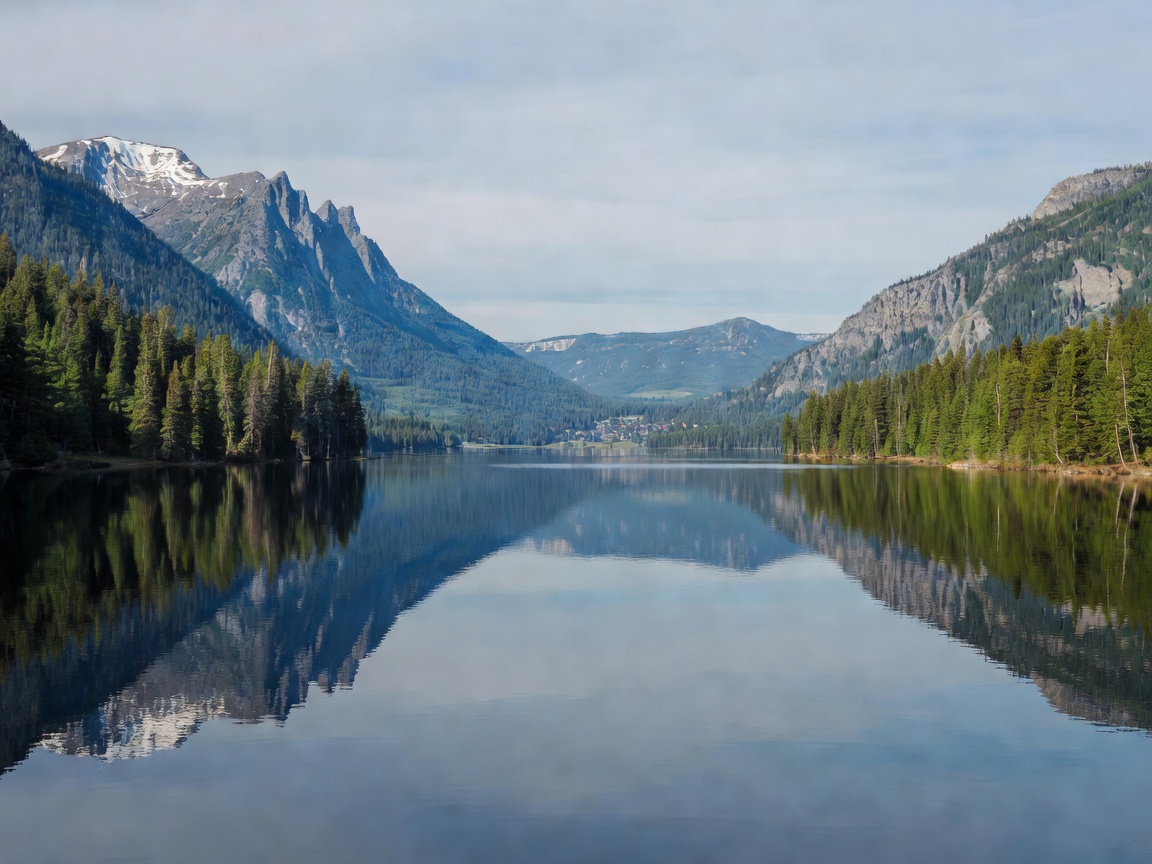
What does “remote” really mean?
Remote is a relative description. A property might sit outside a small village, at the end of an unpaved road, or far from everyday services. The word does not specify how long arrival takes, whether mobile reception exists, or whether a vehicle is necessary. A quiet setting can still be straightforward to reach; a location that looks close on a map can involve a slow, difficult last stretch.
Before choosing, find out how the journey works from the nearest transport hub. Confirm the exact arrival route, parking, transfers, walking distance and terrain. Ask whether the final approach changes with snow, rain or seasonal road closures. If arriving after dark, request clear instructions and allow additional time.
Transport, supplies and seasonal access
Last-mile logistics are often the difference between a relaxing arrival and a stressful one. Ask whether public transport reaches the area, whether a transfer must be arranged in advance and whether the accommodation has specific vehicle requirements. Do not assume a standard rental car is appropriate for every rural road or season. Follow current local advice and the operator’s instructions.
Plan food and essentials around the nearest services. The closest shop may have limited opening hours or a narrow selection; in some places, a meal requires advance arrangement or a longer drive. Confirm what is provided and what you should bring, without assuming amenities that have not been stated. If you have dietary or access needs, discuss them before travel.
Weather affects both access and comfort. Rain can turn a short path muddy; snow and ice can complicate driving and walking. Seasonal darkness may make navigation harder. Pack footwear and outer layers suited to likely conditions and keep important arrival information available offline if reception may be uncertain.
Connectivity, heat and basic systems
Mobile signal varies by valley, building material, terrain and provider. Ask the operator what they know about coverage, but treat it as local guidance rather than a guarantee for every network. If you need dependable contact for work or health reasons, test options before committing. Download directions, travel documents and necessary information while connected.
Remote buildings may use different heating, water or waste arrangements from a town hotel. Ask how heating is controlled, what to do if a system needs attention and whether instructions are available on arrival. For properties with private water, on-site treatment or other independent systems, request clear guest guidance. Do not make assumptions about drinking-water arrangements, disposal or backup equipment.
Emergency access deserves a calm, practical conversation. Confirm who to contact locally, how the property identifies its location and what to do if weather interrupts the usual route. Travelers with mobility, medical or communication needs should discuss the specific access conditions with the provider in advance.
Privacy and the value of a quieter stay
Seclusion can mean fewer passersby and more uninterrupted time outdoors. It does not necessarily mean no neighbors, no service staff or absolute privacy. Check the distance and sightlines to other buildings, roads and shared areas. Understand any local rules about fire, noise, pets and access across private land.
Quiet is not the same as empty. Rural landscapes support residents, working farms, wildlife and local businesses. Stay on permitted routes, keep noise modest, take rubbish with you when required and follow guidance about fires and water. Respectful travel helps protect the qualities that draw visitors in the first place.
Advantages and limitations
A genuinely quiet base can offer deep rest, a close relationship with weather and a chance to set your own pace. It can suit people who are content to read, walk, cook or simply notice the landscape without a full itinerary.
In exchange, spontaneous errands may be difficult, services can be limited and help may take longer to reach. Weather can affect plans, connectivity may be patchy and transport often needs more attention. A remote stay is not automatically better; it should match your confidence, needs and appetite for self-sufficiency.
Before-you-book checklist
- Confirm door-to-door transport, last-mile conditions and seasonal restrictions.
- Ask what food, water, heating and waste instructions apply.
- Check likely mobile coverage and identify emergency contacts.
- Clarify walking surfaces, steps and access needs.
- Keep a flexible itinerary and follow local guidance.
Good for
Independent travelers who enjoy planning, appreciate quiet and feel comfortable with fewer nearby services. It can also suit a short digital pause when connectivity expectations are clear.
What to know
Ask the property provider precise questions before booking. Current availability, prices and operating arrangements are not provided by this editorial guide and should be confirmed directly.
Explore related guides
Compare forest lodges, learn about northern winter stays, or review cabin comfort and systems.